#19: Breaking Down Silos pt 1: What Do We Need to Create Powerful Collaboration?
“When woven together- effective communication, trust, and active listening- powerful collaboration takes place.”
Book Recommendations
This week we’re highlighting two of our favorite books for teams who are seeking to strengthen their collaboration. The first is The Culture Code: The Secrets of Highly Successful Groups by Daniel Coyle. The second is the The Culture Map by Erin Meyer.
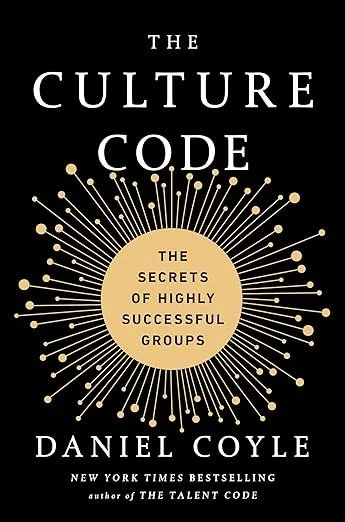
Synopsis: A New York Times Bestseller, The Culture Code: The Secrets of Highly Successful Groups by Daniel Coyle, looks at teams in a wide selection of industries, many that you might not think would have commonalities. Through his research, he identifies several common themes that are necessary for teams to excel in collaboration. When these attributes are in place, teams are not only highly effective, but they have an even broader impact outside of their immediate sphere of influence.
One of the most common themes that consistently comes to surface when speaking with teams around collaboration is the importance that many teams place on this idea. At face value, when you ask what this word means, most often the response is ‘working together towards a goal’. But when you drill deeper into this concept, it becomes apparent that for many teams, collaboration is actually multi-faceted with various expectations and dynamics at play.
The Power of Collaboration
Collaboration often brings up the ideas of building on one’s work towards a common goal, yet there is much more depth to this word. The roots extend much deeper to creating an environment and culture that ensure individuals feel heard and valued and as a result, increases motivation. This leads to the question:
“What might be needed to create powerful collaboration?”
1. Effective Communication
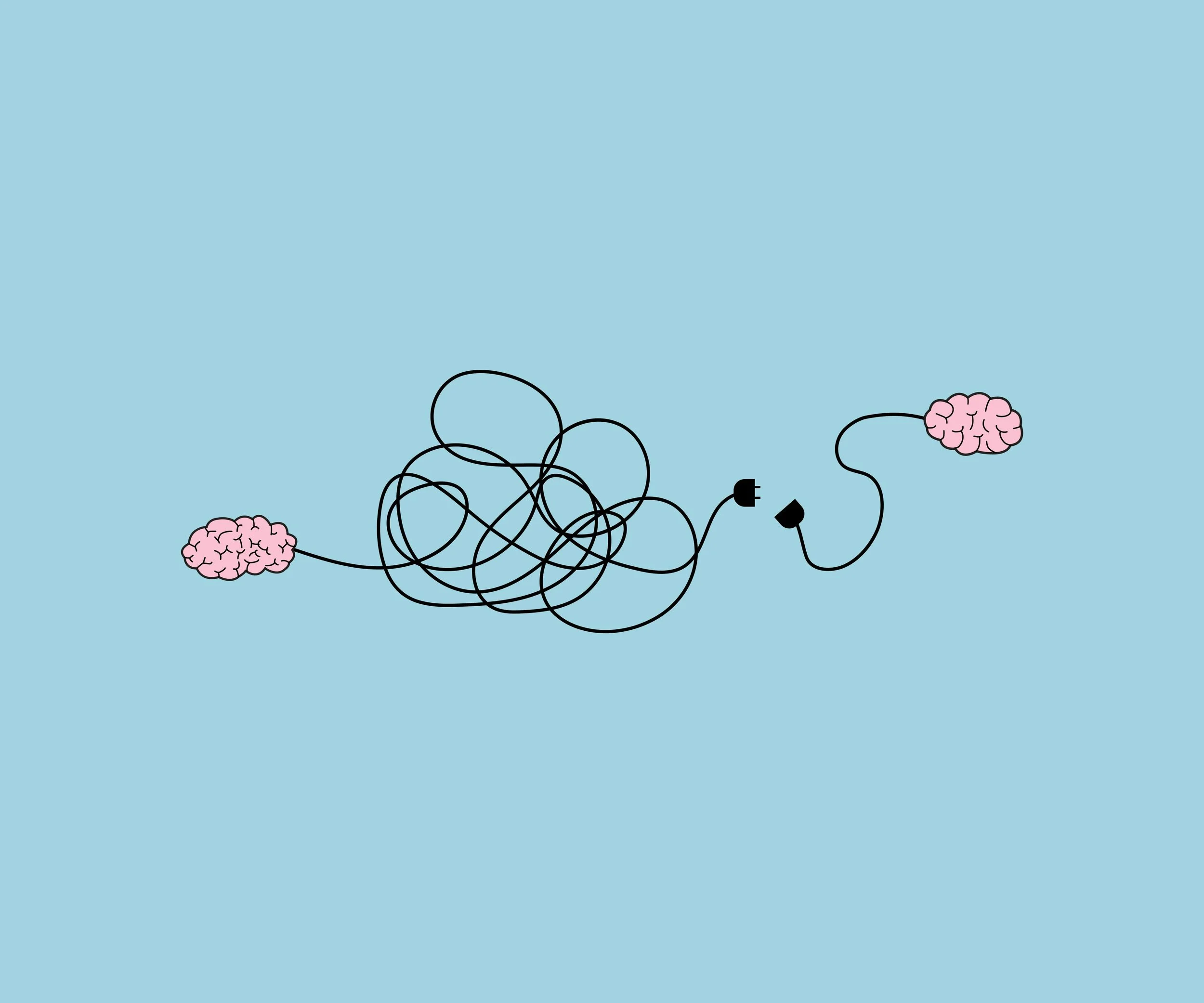
The foundation of collaboration lies in effective communication. In this, we are not only able to work towards a common goal, but it is what joins individuals together. Without communication, it is difficult to share ideas and productively sync together. This is especially valid if you are working on a cross cultural team as there are many cultural nuances that impact the communication process.
This brings us to the importance of being aware of the how- how do we communicate since it’s the foundation of collaboration. This moves beyond the technical methods (ie Slack, Asana, Teams, email, etc) and looks more closely at the human elements of communication.
#19:
Breaking Down Silos pt 1: What Do We Need to Create Powerful Collaboration?
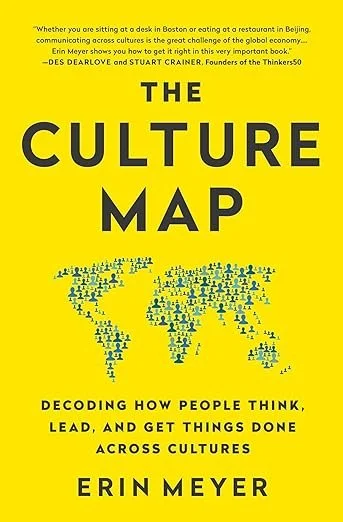
Synopsis: The Culture Map, written by Erin Meyer, a professor at INSEAD Business School, shares thoughtful and practical insights regarding working with cross cultural teams. Throughout, she provides real life examples of how people think, lead across the globe, and effectively build a collaborative team, even when you may come from different starting points. This is a great resource, especially for teams who may be working across borders.
Pumble reports that, “86% of employees and executives cite the lack of effective collaboration and communication as the main causes of workplace failures”. In our blog post “Building Collaborative Teams” we shared several strategies to strengthen communication skills among teams.

2. Trust
One of the anchors of ‘how’ for building effective communication lies in trust. Trust has many definitions and similar to communication, it also has several layers. For some they operate from a position of trust being something that is earned, for others it is freely given until an experience proves otherwise. Regardless of how one is given trust, to build trust the following are necessary:
Competent- Are you able to do the job that you need to do?
Consistent- Do you show up in a predictable way?
Connection- Do you care about the others around you or are you only focused on yourself and what you gain personally?
Character- Do you act with integrity?
When trust is alive and active on a team, effective collaboration is often able to grow and flourish.
3. Active Listening
Often when we hear something, we believe we are listening. However, ‘hearing’ and ‘listening’ are two different actions. Hearing is simply the act of perceiving sound, whereas active listening requires engagement, focus, and empathy.
Active listening is critical for fostering genuine understanding and building strong relationships, whether in the workplace or in personal interactions. It is the third leg to effective collaboration.
It involves fully concentrating on what the speaker is saying and giving them our undivided attention. It requires us to pay attention to the whole self- not just the words we hear, but the nonverbal that is being communicated as well. It’s an act of humility - setting aside the desire to promote our personal agendas and seeking to consider the place where the speaker is coming from.
Active listening is HARD.
But, if we are dedicated to practicing active listening with those around us, we may find that not only does it continually build trust, but it also enhances our communication bringing about clarity.
When woven together- effective communication, trust, and active listening- powerful collaboration takes place.

Be sure to return for the second half of this post: Breaking Down Silos pt 2: The Power of Interconnectedness. We will build on these ideas as we discuss how Systems Thinking breaks down silos to foster greater collaboration.
